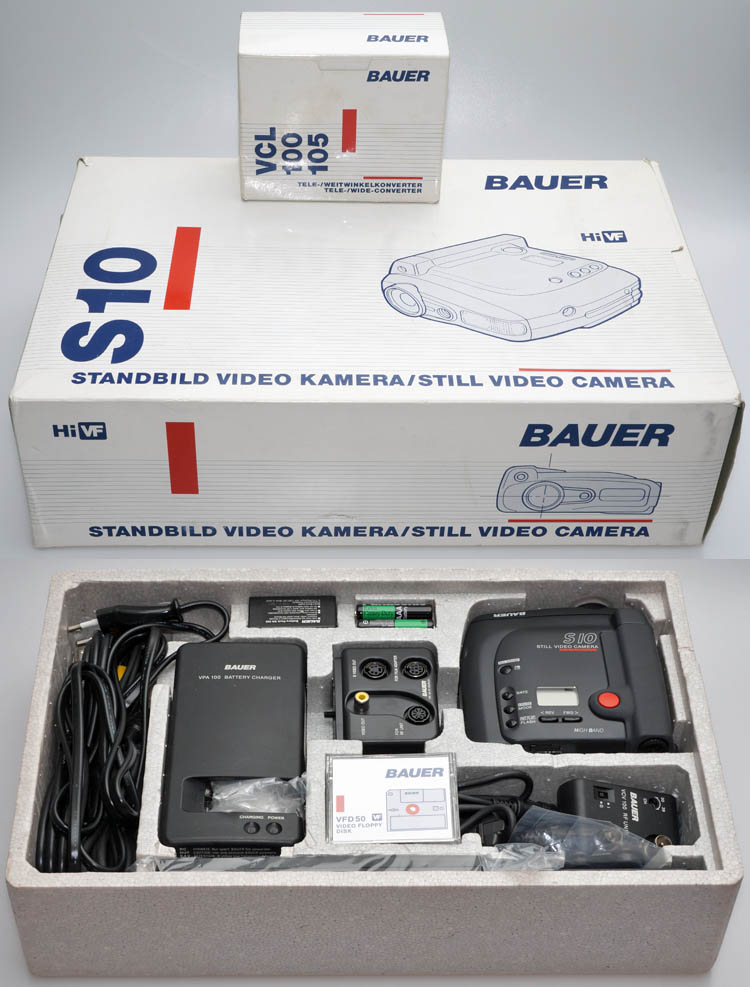
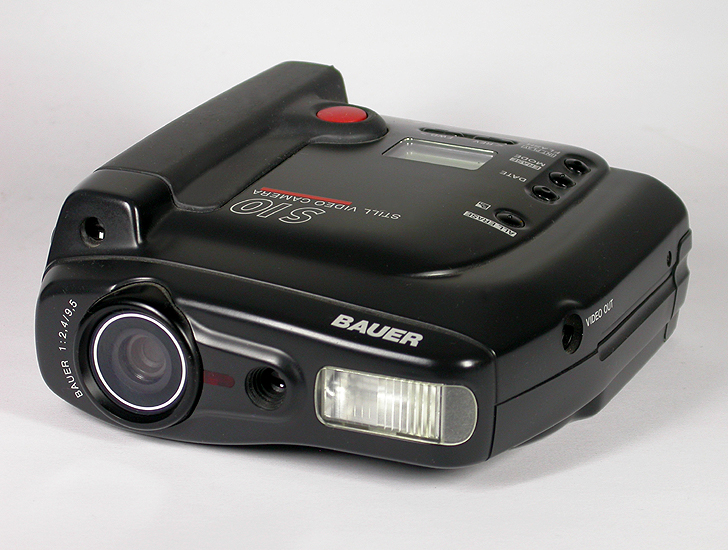
BAUER S10 - 1990. Still video camera (OEM Canon RC-260). Hi-band still video camera with a 1/2-inch 200K pixel CCD. ISO 100. 11mm f/2.8 lens. Shutter 1/30 to 1/500 second. Popular Photography. January 1991. p55. .
1990 R
ADOBE
PHOTOSHOP 1.0 - 1990. Adobe Systems
first version of PhotoShop released, the second image manipulation
program
available for Macintosh computers.
https://en.wikipedia.org/wiki/Adobe_Photoshop
BAUER S10
- 1990. Still video camera (OEM Canon
RC-260). Hi-band still video camera with a 1/2-inch 200K pixel CCD.
ISO 100. 11mm f/2.8 lens. Shutter 1/30 to 1/500 second. Popular
Photography.
January 1991. p55. .
http://www.nikonweb.com/forum/viewtopic.php?t=785

http://www.g-mark.org/award/describe/15607
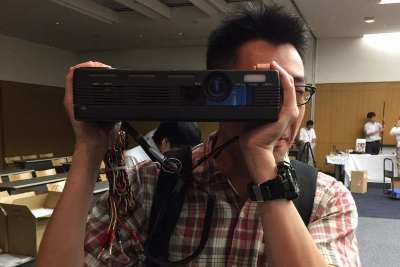
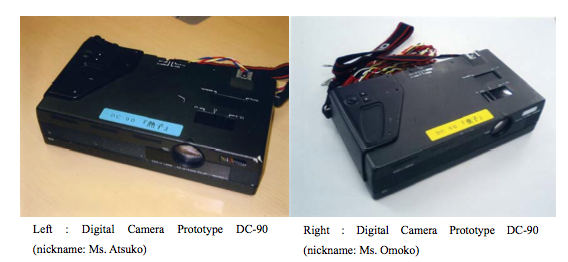
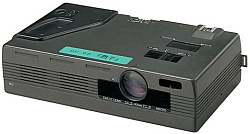
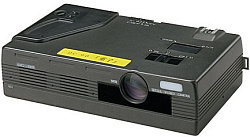
CASIO DC-90 PROTOTYPES - 1990.
Two casio prototype cameras were developed,
but not put into production. These were prototypes for
functional testing nicknamed Atsuko (hot child) and Omoko (heavy
child) built by Casio Computer
when Casio was developing their first digital cameras equipped with LCD
viewfinders. Atsuko tended to overheat, so a tiny fan was installed in
the viewfinder compartment, and an LCD screen was substituted for the
through-the-lens viewfinder. The nickname Omoko refers to the
camera's additional weight (omo means heavy in Japanese) as a result of
using generic parts in the camera. Omoko weighed 2.75 kilograms,
and Atsuko reached temperatures of 90 degrees C when operated (The
Center
of the History of Japanese Industrial Technology.) See page
20 of the PDF report by the National Museum of Nature and Science
Technology below. NOT MARKETED.
http://camera-wiki.org/wiki/Casio
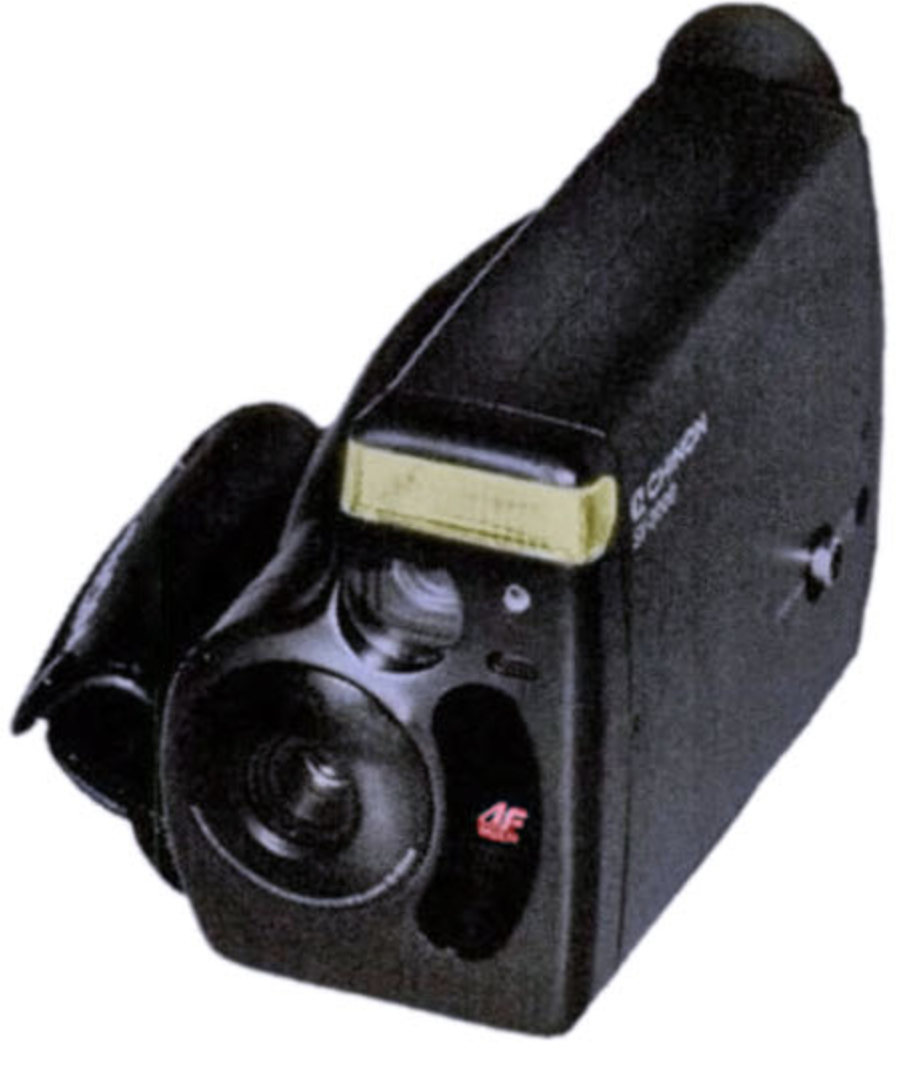
CHINON
S-2000 - 1990. Prototype. 2 X, 10-20mm
f/2.7-3.8
zoom lens. Multi-infrared autofocus. Shutter 1/45 to 1/500
second. CCD 1/2 inch 380K pixel . "Hi-band Still Video
on Floppy," Popular Photography, May 1980, p56. NOT MARKETED.
https://www.digicammuseum.de/gechichten/erfahrungsberichte/logi-fotoman-pixtura-iichinon/
https://www.digitalkameramuseum.de/en/esvc/category/chinon-2
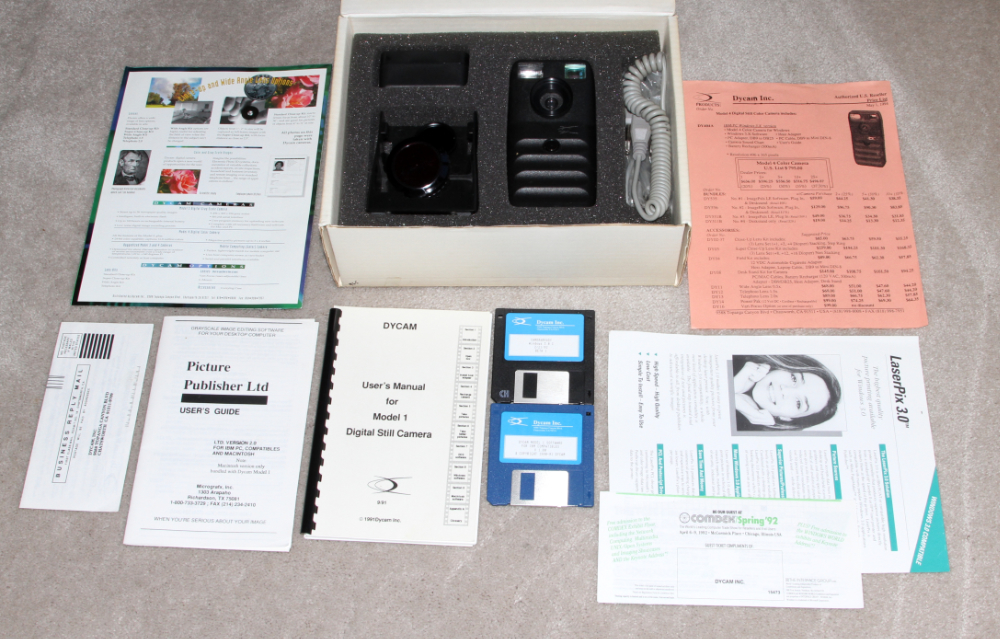

Dycam Model 1
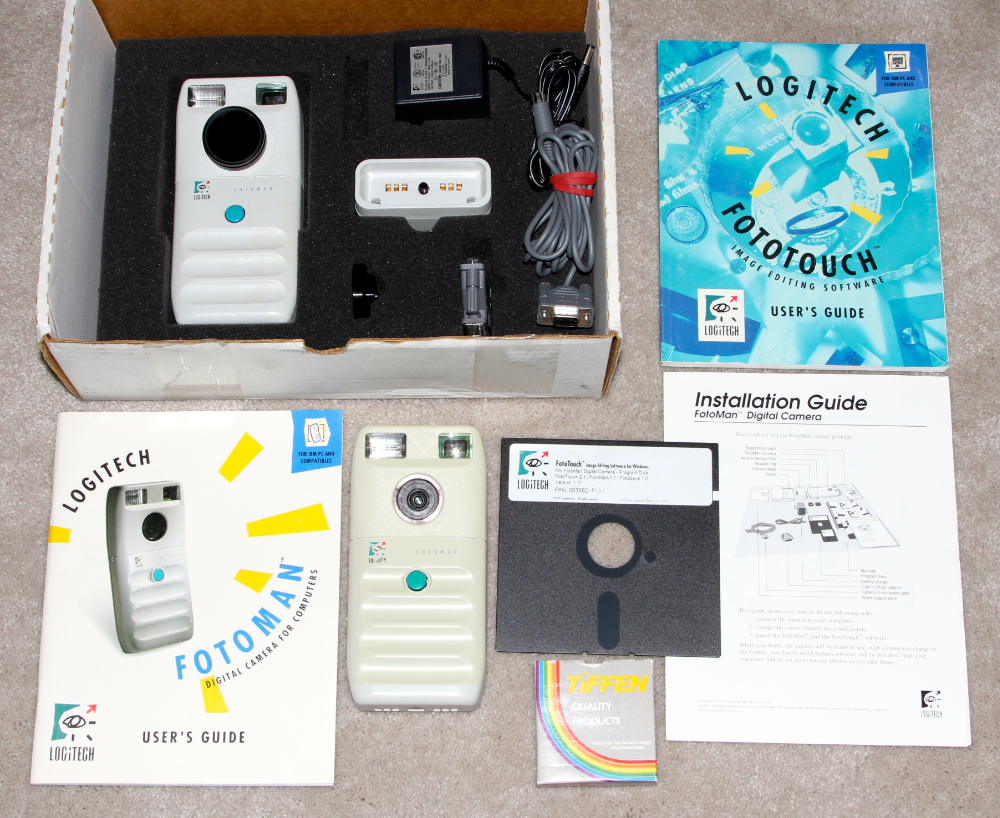
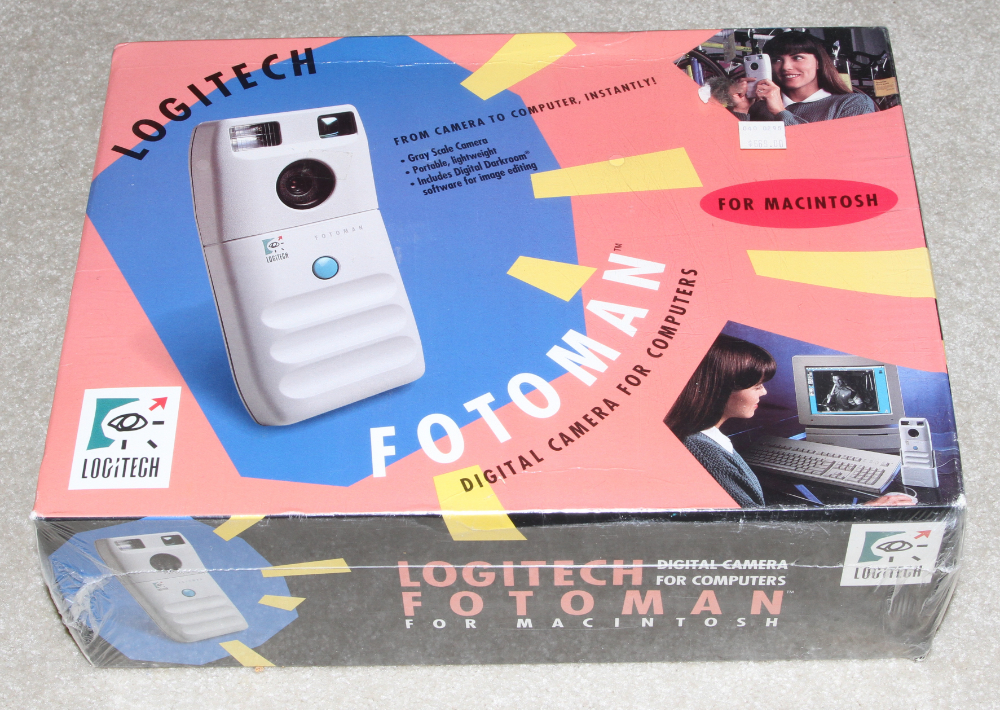
Fotoman FM-1 - 1st version shown below box and on manual cover
(4 grip indentations similar to Dycam 1), 2nd version in box (3 grip indentations),

1. Size of Dycam Model 1 photo on computer screen at 100%. 2. Typical print size .
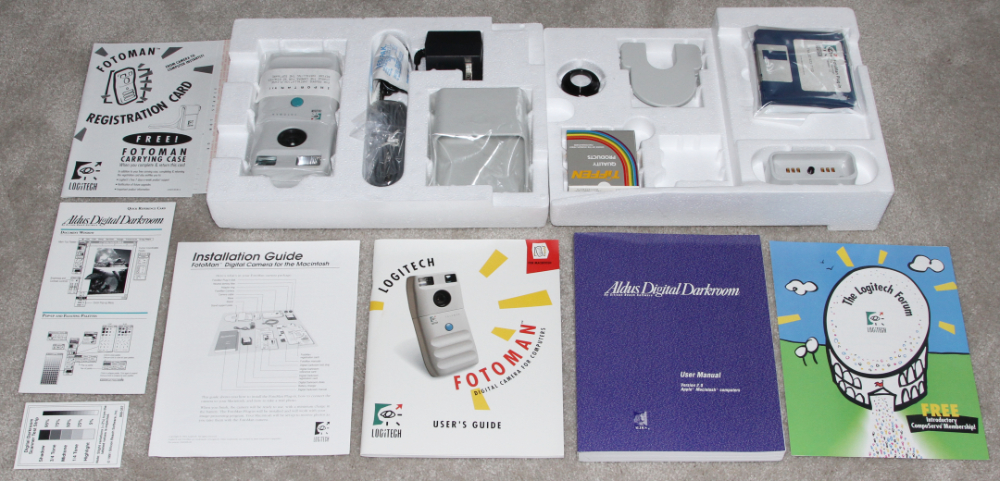
Fotoman for MAC, updated style (3 grip indentations)
DYCAM
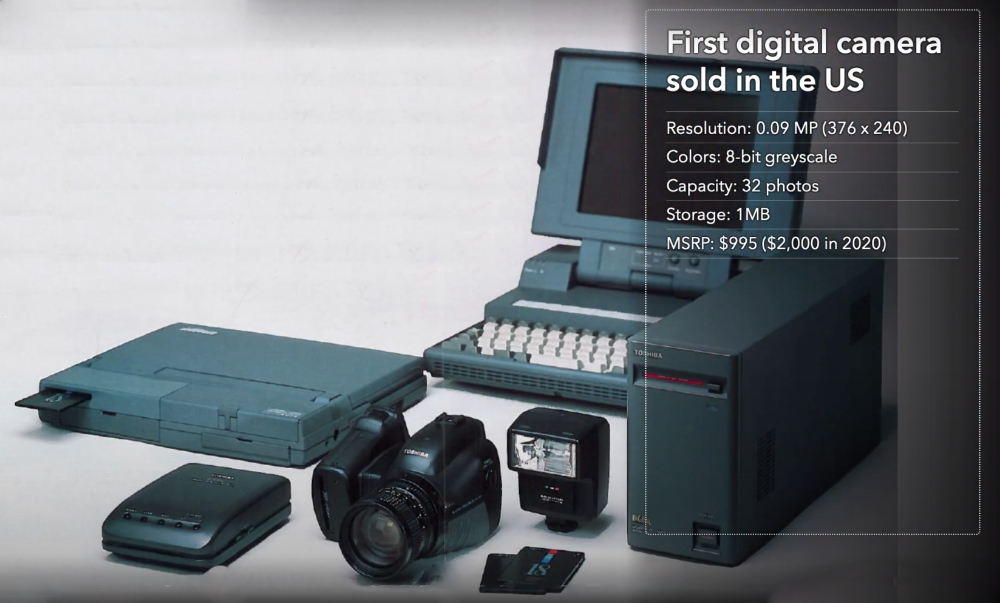
MODEL 1 / LOGITECH FOTOMAN FM-1 / FOTOMAN FOR MAC- 1990.
Dycam Model 1 (dark grey) and the Fotoman (white, marketed in 1991) B&W digicams were
the first completely digital consumer cameras sold in the United States. They stored 32 compressed images on
internal 1MB RAM. 1/3-inch, 376 x 240 pixel CCD at 256 gray
levels. TIFF or PICT 2 format. 8.5mm (55mm) fixed-focus
lens. Shutter 1/30 to 1/1000 second without flash, 1/25 second
with flash (built-in). ASA 200. They operated similarly to
the Canon XapShot except that they included the digitizing hardware in
the camera itself. The camera was attached to a PC to transfer
images. There was ony one button on the camera, the shutter
button. To turn the flash on it was necessary to connect the camera to a
computer and use the program that came with the camera. To turn the
flash off it was necessary to reconnect the camera to a computer. MSRP $995. Digital Photography,
Mikkel Aaland, 1992, p21. Popular Photography.
December 1991, p111.
There
were two versions of the logitech Fotoman FM-1: The first version
had four grip indentations, the second version had three grip
indentations (see second photo above).
The
photo next to the bottom left shows approximately what a good quality Dycam 1
photo might look like on a computer at full size (100%), 376 x 240
pixels (.09MP). Doubling the size of the photo to 752 x 480 pixels will
cause obvious pixelization of the image. The actual size of a 376 x 240
pixel photo when printed on a typical inkjet printer would be about 3/4
inch in width and 1 1/4 inches in height, or about the size of the
image next to the bottom middle.
(Rare on U.S. eBay)
https://en.wikipedia.org/wiki/History_of_the_camera
http://camera-wiki.org/wiki/Logitech_Fotoman
https://www.digitalkameramuseum.de/en/cameras/category/dycam
https://www.digitalkameramuseum.de/en/cameras/category/logitech
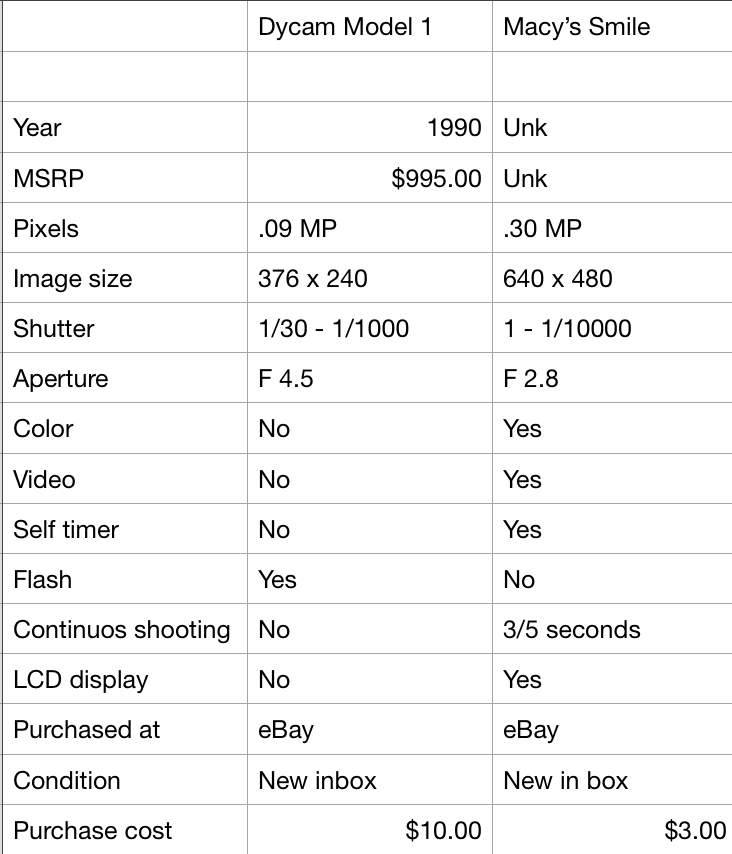

How things have changed in just 28 years! As
with digital music technology, advances have occurerd in digital
photography much faster than the "experts" predicted. We recently
purchased a very inexpensive digital camera made in China, one model of
which was sold as the Macy's Smile. We're not sure
what the smile MSRP was , but the one we bought on eBay cost us
exactly $3 new in the box. Comparing the stats of the Smile versus the
Dycam 1, it can clearly be seen that the Smile, a child's camera,
is superior in most ways to the Dycam Model 1 / Fotoman shown above
which sold for almost a thousand dollars.
1990:
HUBBLE SPACE TELESCOPE. The Hubble's
workhorse instrument is the Wide Field and Planetary Camera 2 (WFPC2) and captured
most of the most famous Hubble pictures. It observes just about everything,
recording extremely sharp images of faraway objects in relatively broad views.
Its 48 filters allow scientists to study precise wavelengths of light and to
sense a range of wavelengths from ultraviolet to near-infrared light.
WFPC2 doesn't use film to record its images. Instead, four postage stamp-sized
pieces of high-tech Charge-Coupled Devices (CCDs) collect information from stars
and galaxies to make photographs. These detectors are very sensitive to
the extremely faint light of distant galaxies. They can see  objects that are a billion times
fainter than the naked eye can see. Less sensitive CCDs are now in some
videocassette recorders and all of the new digital cameras. CCDs are electronic
circuits composed of light-sensitive picture elements (pixels). Each of
the four Hubble CCDs contains 640,000 pixels. The light collected by each
pixel is translated into a number. These numbers (all 2,560,000 of them)
are sent to ground-based computers, which convert them into an image. NASA
objects that are a billion times
fainter than the naked eye can see. Less sensitive CCDs are now in some
videocassette recorders and all of the new digital cameras. CCDs are electronic
circuits composed of light-sensitive picture elements (pixels). Each of
the four Hubble CCDs contains 640,000 pixels. The light collected by each
pixel is translated into a number. These numbers (all 2,560,000 of them)
are sent to ground-based computers, which convert them into an image. NASA

The
Eagle Nebula as Photographed by the Hubble Space Telescope
Click
on image for enlarged view.
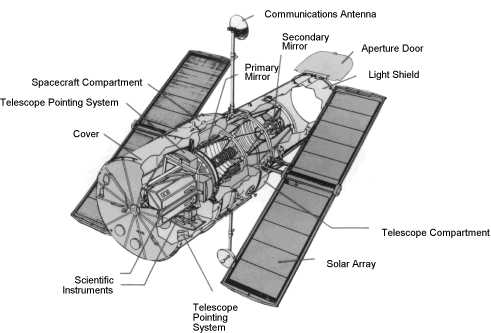

Equipment
layout within the Hubble Wide Field and Planetary Camera (WFPC) Number
2. Click on image to see full-page view.

Hubble
in Space
Click
on image to see enlarged view
http://www.space.com/15892-hubble-space-telescope.html
https://science.nasa.gov/mission/hubble/

http://www.epi-centre.com/reports/9311ed.htm
https://www.digitalkameramuseum.de/en/cameras/item/kingjim-davinci-dv55
http://proyectoidis.org/camara-digital-de-impresion-instantanea-da-vinci-dv-55/
https://patents.google.com/patent/USD329862
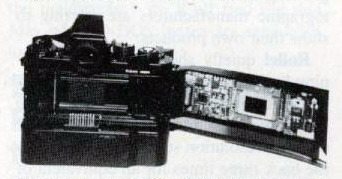
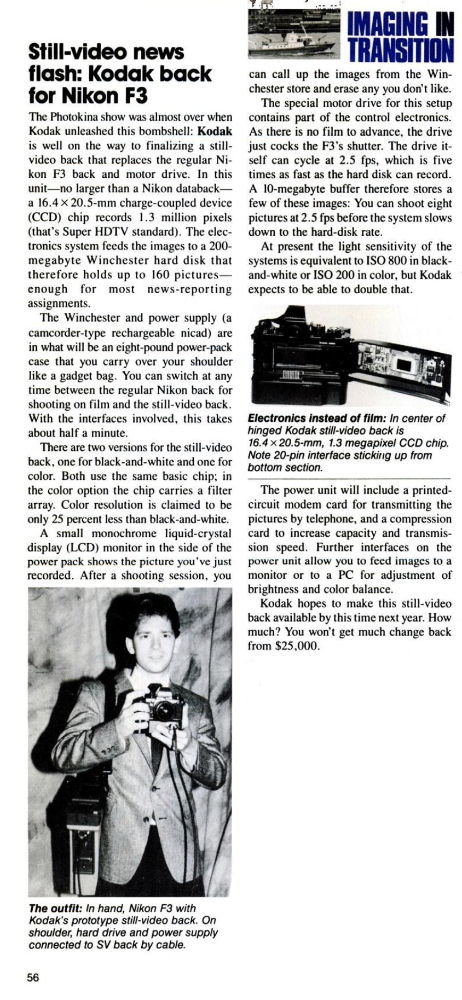
KODAK STILL VIDEO CAMERA - 1990. Shown publicly at Photokina in 1990, it may have been a ruse to confuse competition as to Kodak's digital status. The digital DCS-100 below was shown privately at the same Photokina. The SV camera shown above left was a Nikon F3 with a still video back. The system utilized a Winchester power supply carried by a shoulder strap. Kodak stated that they intended to market the camera in 1991 at an MSRP of $25,000. Photo on the left shows a 1.3MP CCD attached to the Nikon F3 back. The camera created quite a public stir, especially among photo journalists who were supposed to be the intended market (Popular Photography referred to it as a "bombshell"). NOT MARKETED.
Popular Photography, January 1991, page 56.
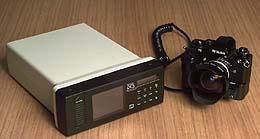
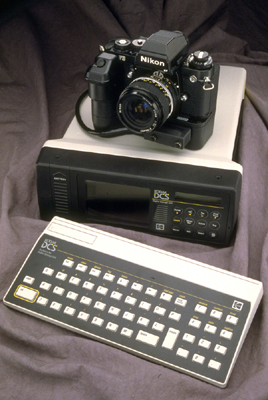
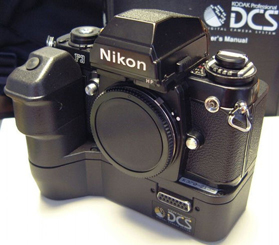
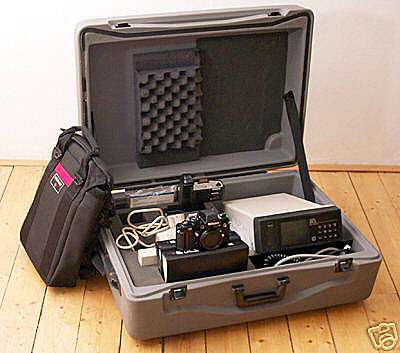
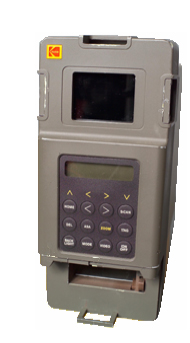
KODAK DCS-100 SLR DIGITAL CAMERA - 1990.
The designation DCS-100 was not Kodak's official designation, but came
about as the result of a magazine article and the name stuck. This
system was a commercial version of the 1987-1989 Kodak DSLRs. It was shown
privately at Photokina 90 with a price of $30,000. Marketed in
1991. 1.3MP CCD (1024 x 1280 pixels). Based on the Nikon F3
body. ISO 100. Nikkor interchangeable lens mount.
Manual focus. Shutter 8 seconds to 1/2000 second.
Optical reflex viewfinder, hot shoe, self-timer, internal 200MB
memory. Two versions - B&W and Color. Fitted into a
large plastic suitcase, the system consisted of a 200MB external hard
disk drive with batteries, a control panel, mono display, and cables,
with a total weight of 55lb. The item on the bottom far right is the Kodak
Professional Digital Back of that same year. The history of Kodak DCS
cameras from 1987-2004 is available at the James Garvey site listed
below. Mr. Garvey was lead engineer for many Kodak cameras during that
time period. According to Mr. Garvey, a total of 987 units were
sold, not nearly as rare as their eBay prices command compared to other
cameras that are much rarer, but the DCS-100 remains iconic all the same. A UK. auction site recorded a sale
of about $3,000 for for a DCS-100! Not sure if that auction
included anything more than just the camera itself. Many reports
of scammers advertising a DCS-100 for sale - BUYERS
BEWARE! Original MSRP
$20-25,000. The
winder-style baseplate on the Kodak DCS-100 is not a separate model
number, but rather
a component of the overall system. The DCS-100 is built upon
a Nikon
F3 body, and the baseplate is a part of the camera design.
The baseplate housed the shutter release button, replacing the one on
the
Nikon F3, and a motor drive that advanced the digital sensor. It
also
performed the 8-bit analog-to-digital conversion of the image data
captured by the sensor, thus is essential to the operation of the
camera. The baseplate served as the interface between the
digital back
and the separate Digital Storage Unit (DSU). It transmitted the
digital
image data to the DSU for storage and processing. A used DCS-100
with a digital back, but without the original Kodak baseplate would be
greatly reduced in value.
http://eocamera.jemcgarvey.com/pdf/dcsstory.pdf
http://www.epi-centre.com/reports/9306cs.html
http://www.mir.com.my/rb/photography/companies/Kodak/index.htm
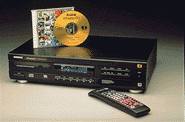
KODAK
PHOTO CD SYSTEM - 1990. The
Photo
CD process converts negatives or slides to CD images. When
introduced
the Kodak Photo CD system recorded up to 100 images on a single
CD.
Each image was recorded at five different resolutions. Pixel
Photography,
Robert McMahan, 1993, p11.
https://en.wikipedia.org/wiki/Photo_CD
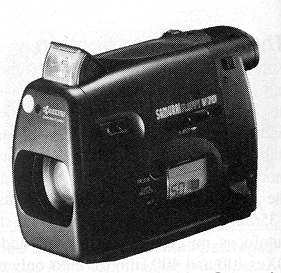
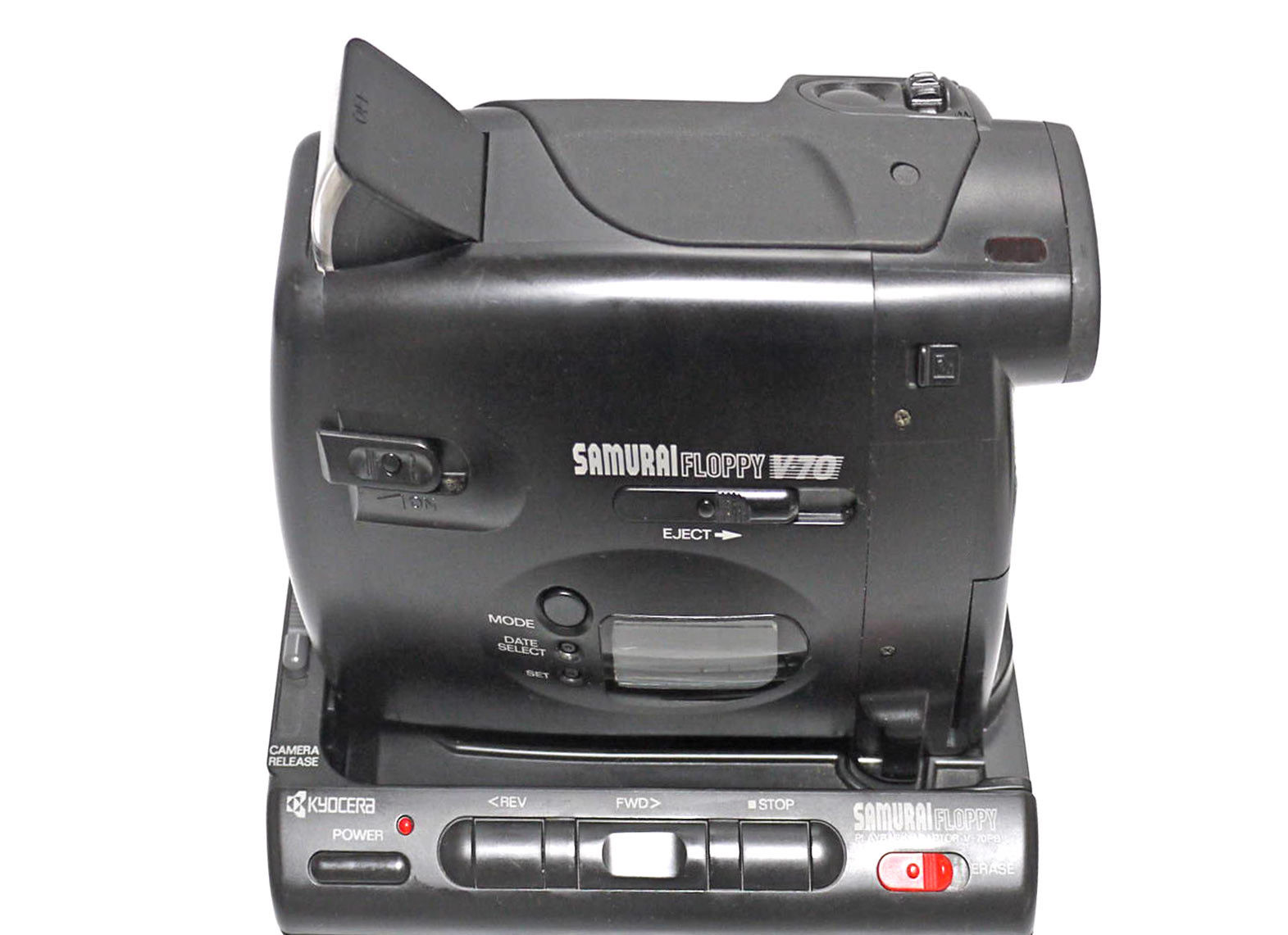
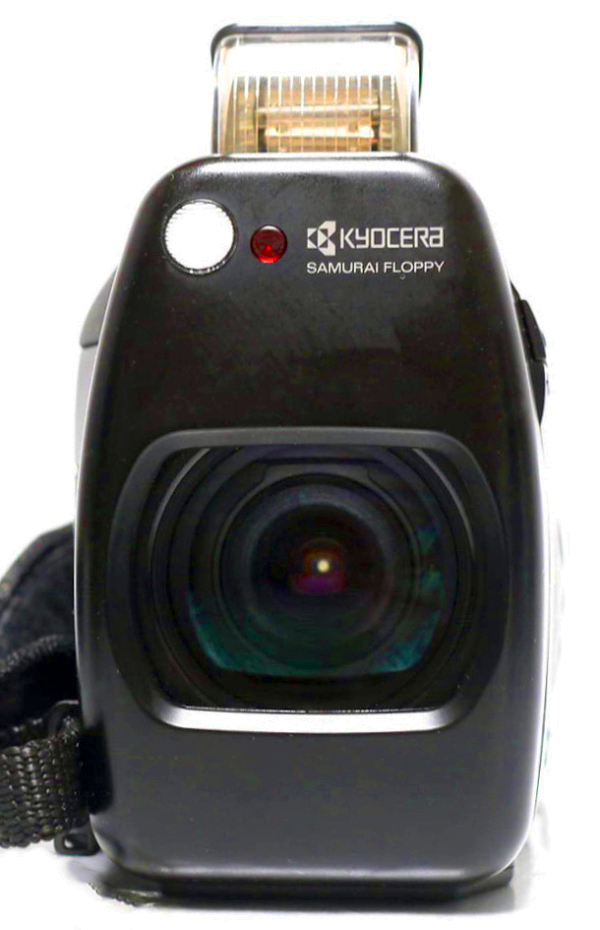
KYOCERA / YASHICA SAMURAI V-70 - 1990.
Hi-band still video camera. 1/2-inch, 390K pixel CCD, 3X
9-27mm
zoom f/1.4 lens, auto-focus through the lens. Popular
Photography,
May
1990, p56. SOL ONLY IN JAPAN. MSRP about $780. In August of 2018 the owner was asking $3,790
for the camera on the right.

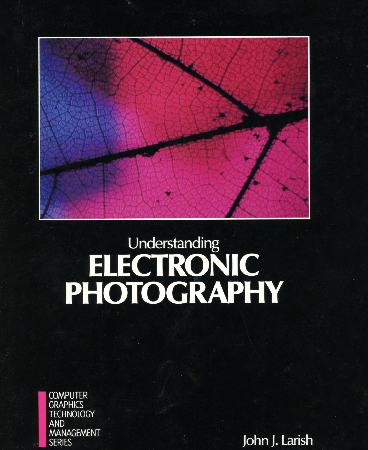
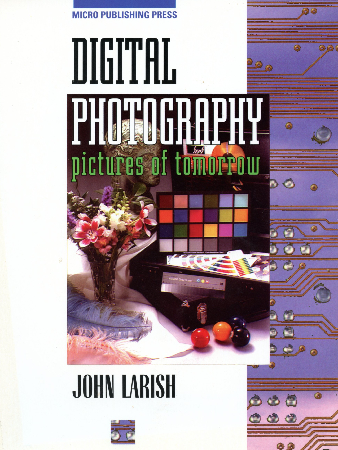
JOHN J. LARISH - 1990.
John published the two books shown above in 1990 and1992 . They
were the earliest available which discussed the then new field of
electronic photography using analog still video cameras which were the
predecessor of the digital cameras we have today. In those books
he discussed the equipment and technologies available at that time; how
to capture, process and store electronic images; and how to manipulate
electronic images. These two book should be in the library of all
those interested in maintaining a collection of early still video
cameras. In a visit to my home in Ohio several years back John
very kindly autographed both books.
John's career in photography has
spanned 29 years, including management of a photographic laboratory,
work with both GAF (Ansco) and Eastman Kodak Company where he worked in
domestic as well as International markets. He has written many
articles for popular and technical publications and has appeared as a
guest speaker at meetings for many organizations both in the United
States and overseas, including the American Management Association,
Photo Marketing Association, Electronic Industries Association, Society
of Photographic and Science Technology of Japan in Tokyo, Consumer
Electronic Association, the IS&T, and others. John was a
founding Editor/Publisher of Electronic Photography News, the earliest
monthly publication in that field. He is also currently or has been a
contributing editor for several publications including Advanced
Imaging, Digital Imaging, PTN, International Contact, and Photo
Industry Reporter where his Technology Tomorrow column appears
regularly.
http://www.amazon.com/John-J.-Larish/e/B001JS1L6Y
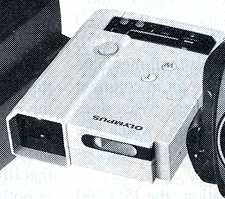
OLYMPUS ESTILO / CC-1000 - 1989/90. Prototype
memory card cameras. Popular photography, January 1991,
page 55, stated the ESTILO could record 38 images in field mode or 18
in frame mode per card indicating that it was a still video camera,
however, others state that it and the IC Card Camera shown below were
digital cameras because they used a memory card. NOT MARKETED.
https://books.google.com/books?id=G3D3v_S6X7UC&pg=PA56&lpg=PA56&dq=%22CHINON+S-2000%22&source=bl&ots=UNtlVV4Azz&sig=4H0dSl0oc7jD0Ir2icVCpGJ72Xs&hl=en&sa=
X&ved=0ahUKEwj3-_Su2-LYAhWGvlMKHZapBRMQ6AEITDAJ#v=onepage&q=%22CHINON%20S-2000%22&f=false
https://www.digitalkameramuseum.de/en/prototypes-rarities/item/olympus-estilo
https://www.digitalkameramuseum.de/en/prototypes-rarities/item/olympus-cc-1000
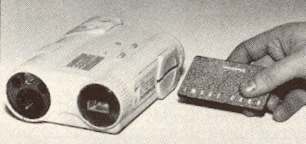
OLYMPUS
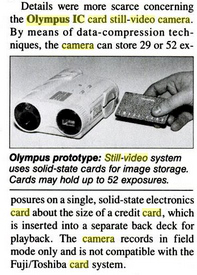
IC CARD CAMERA - 1990. Prototype camera with solid-state storage. Popular
Photography, May 1990, p57, stated that the camera used data
compression
to store 29 or 52 still video images on a flash card about the size of a credit
card and recorded in field mode only. Field
mode was a term used for still video cameras rather than digital
cameras thereby indicating that it was an analog still video camera
rather than a digital camera. The description with the
photo and in the accompanying text also stated that it was still video,
however, some sites state that it was a digital camera because it used
a memory card as digital cameras now do. NOT MARKETED.
https://www.digitalkameramuseum.de/en/prototypes-rarities/item/olympus-cc-1000
X&ved=0ahUKEwj3-_Su2-LYAhWGvlMKHZapBRMQ6AEITDAJ#v=onepage&q=%22CHINON%20S-2000%22&f=false
OLYMPUS
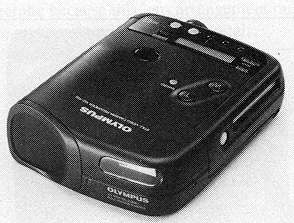
VC-102 - 1990. The V-102 was an
upgrade
of the V-100. Hi-band still video camera. 10-27mm f/2.8 zoom, passive auto-focus
with
low-light illumination. 1/2-inch 360K pixel CCD.
Shutter
1/30 to 1/2000 second. Popular Photography.
May
1990.
p56. NOT MARKETED.
https://www.digitalkameramuseum.de/en/esvc/category/olympus-3
X&ved=0ahUKEwj3-_Su2-LYAhWGvlMKHZapBRMQ6AEITDAJ#v=onepage&q=%22CHINON%20S-2000%22&f=false
PCMCIA ATA (PC) Cards, Type I - 1990.
PC Cards (PCMCIA) were the first commercial memory card formats.
The PC Card is a memory device designed to fit into a personal computer
(notebook or laptop) for memory expansion, developed by
the Personal Computer Memory Card International Association
(PCMCIA). The card was designed according to the original
specification (PCMCIA 1.0) type I and has a 16-bit interface. It is 3.3
mm (0.13 inches) thick and has a double row of 34 holes (68 in total)
along the short side as a connection interface. Type I PC card devices
are commonly used in storage devices such as RA (random access
memory)M, flash memory, OTP (one-time programmable),
and SRAM (Static Random Access Memory) cards.
https://www.minitool.com/lib/pcmcia-card.html
https://koofr.eu/blog/posts/history-and-evolution-of-memory-cards
https://www.digitalkameramuseum.de/en/memorycards
PENTAX
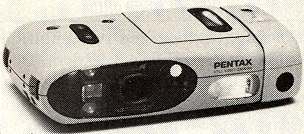
EI-C70 - 1990. Still video
camera.
3X 8mm to 24mm, f.2.8-5.6 zoom, with active infrared
auto-focusing.
Shutter 1/8 to 1/1000 second. Popular Photography, May
1980,
p56. ( see prototype shown in 1988 at Photolkikna 88). NOT MARKETED.
https://www.digitalkameramuseum.de/en/esvc/item/pentax-ei-c70-1990
X&ved=0ahUKEwj3-_Su2-LYAhWGvlMKHZapBRMQ6AEITDAJ#v=onepage&q=%22CHINON%20S-2000%22&f=false
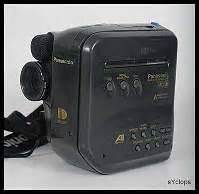
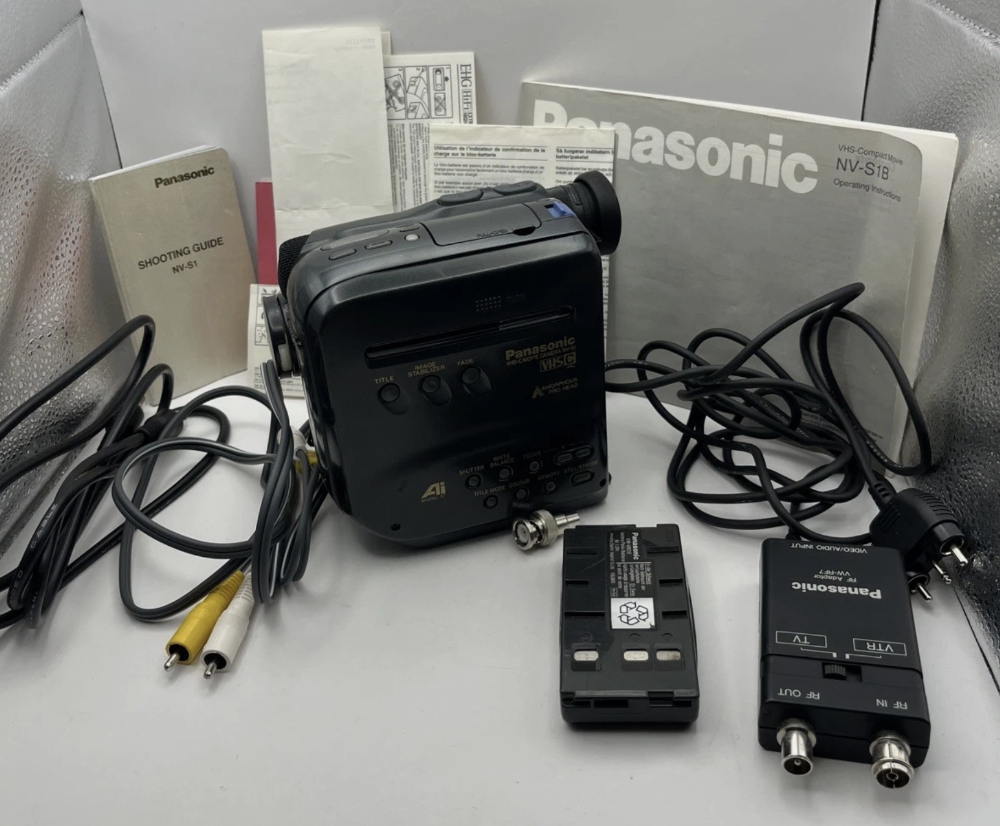
PANASONIC NV-S1 - 1990. World's first video camera with electronic stabilization.
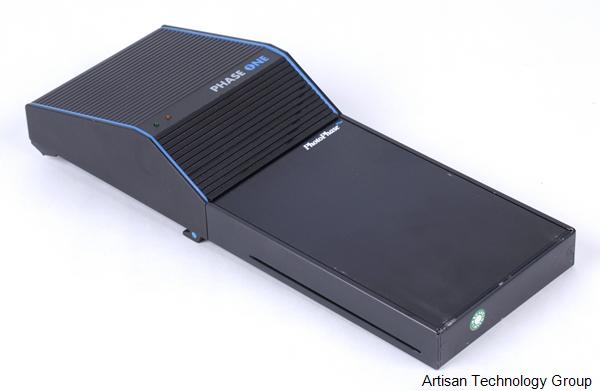
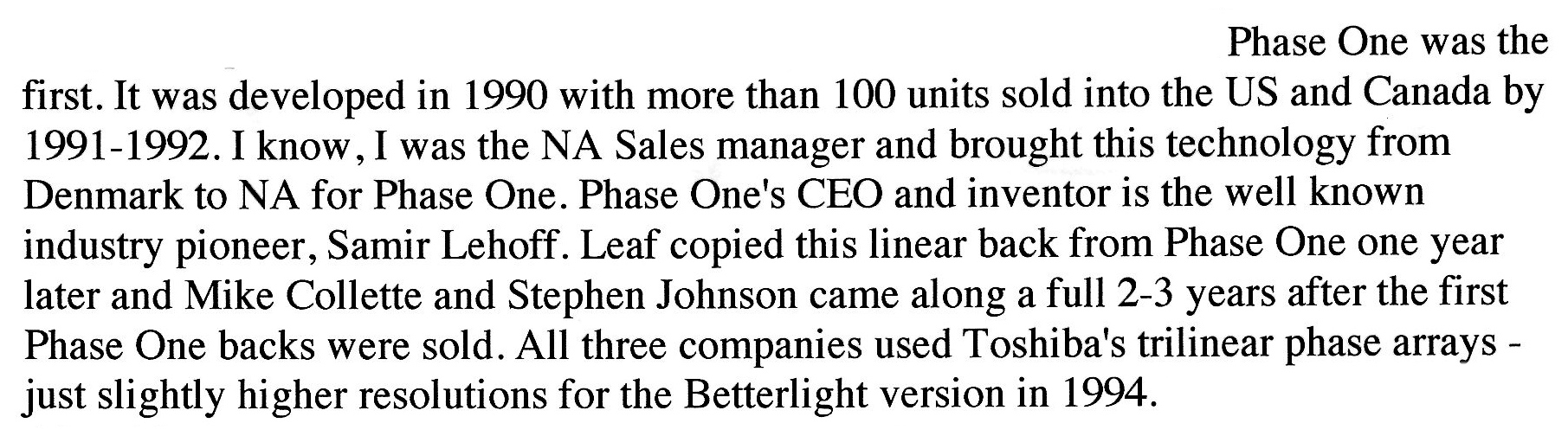
FIRST DIGITAL BACK - 1990. In
1990, Phase One personnel developed the first medium format camera (4 x
5) digital back, the PhotoPhase, and began selling it in the U.S. and
Canada in 1991. CCD
5,000 x 7,200 pixels, ISO up to 800, 8 bit color. Thanks to Ron
Tussy of the Imerge Group for the above note concerning his first-hand
expierence in the development and marketing of the first digital
back.
https://www.google.com/search?q=%22Phase+one%22+%2B+%22digital+back%22+%2B+%221990+%22&sca_esv=4c5de4241442eb86&biw=1732&bih=1087&sxsrf=APpeQnss5Tyq_Q0sMznW0rcgsk7vNEu2EA%3A1790264956972&ei=fEa1asHuOrCh5NoPl__P0AI&uact=5&oq=%22Phase+one%22+%2B+%22digital+back%22+%2B+%221990+%22&gs_lp=Egxnd3Mtd2l6LXNlcnAiJiJQaGFzZSBvbmUiICsgImRpZ2l0YWwgYmFjayIgKyAiMTk5MCAiMgUQIRigATIFECEYoAEyBRAhGKABSIitAlCTDVinqAJwAngAkAEAmAF4oAG-EaoBBTEzLjExuAEDyAEA-AEBmAIYoAL-EMICDhAAGIAEGIoFGIYDGLADwgIIEAAY7wUYsAPCAgsQABiABBiiBBiwA8ICBBAjGCfCAgUQABjvBcICCBAAGIAEGKIEwgIIECEYoAEYwwSYAwCIBgGQBgaSBwUxMS4xM6AHyE6yBwQ5LjEzuAf2EMIHBjIuMTkuM8gHKoAIAQ&sclient=gws-wiz-serp
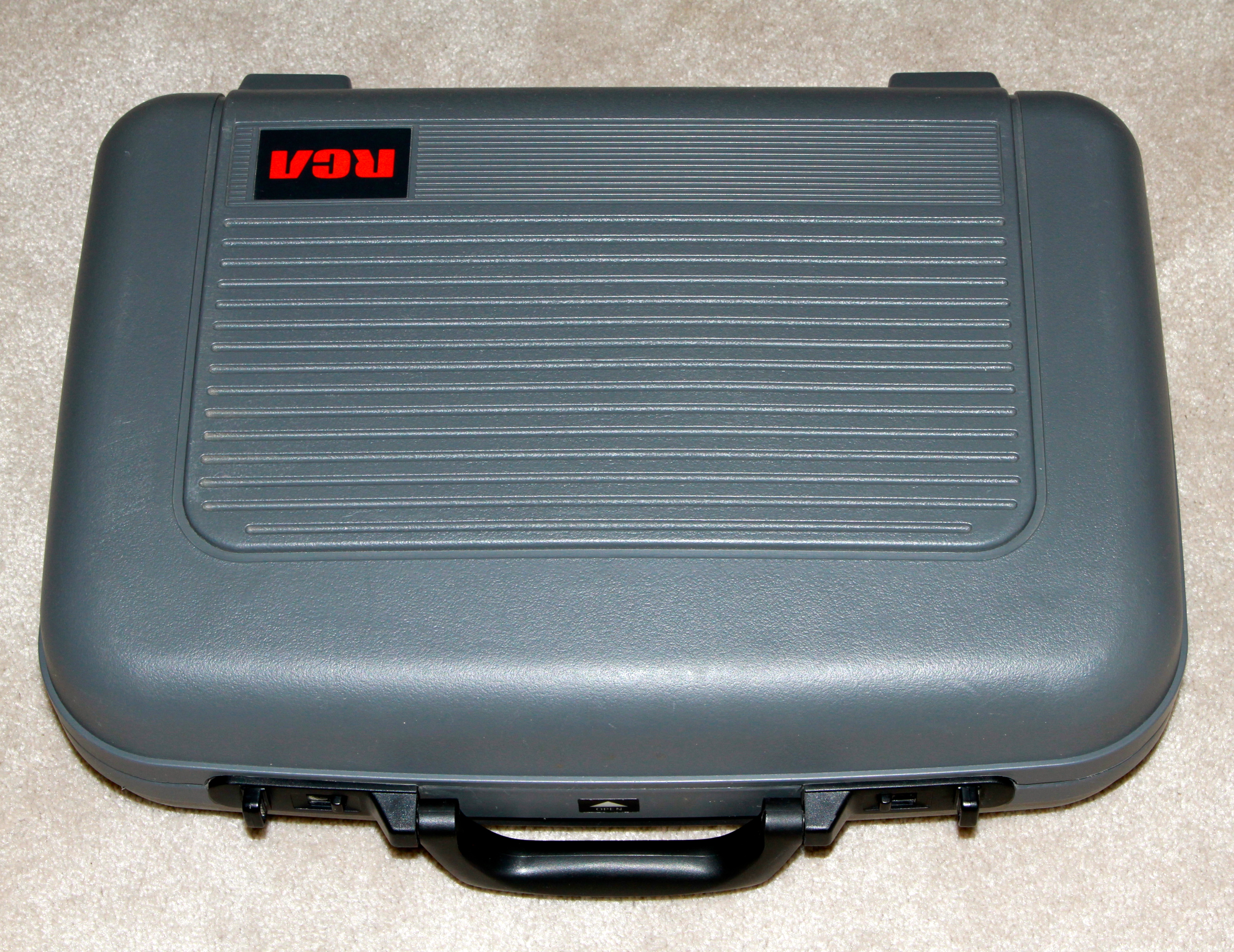
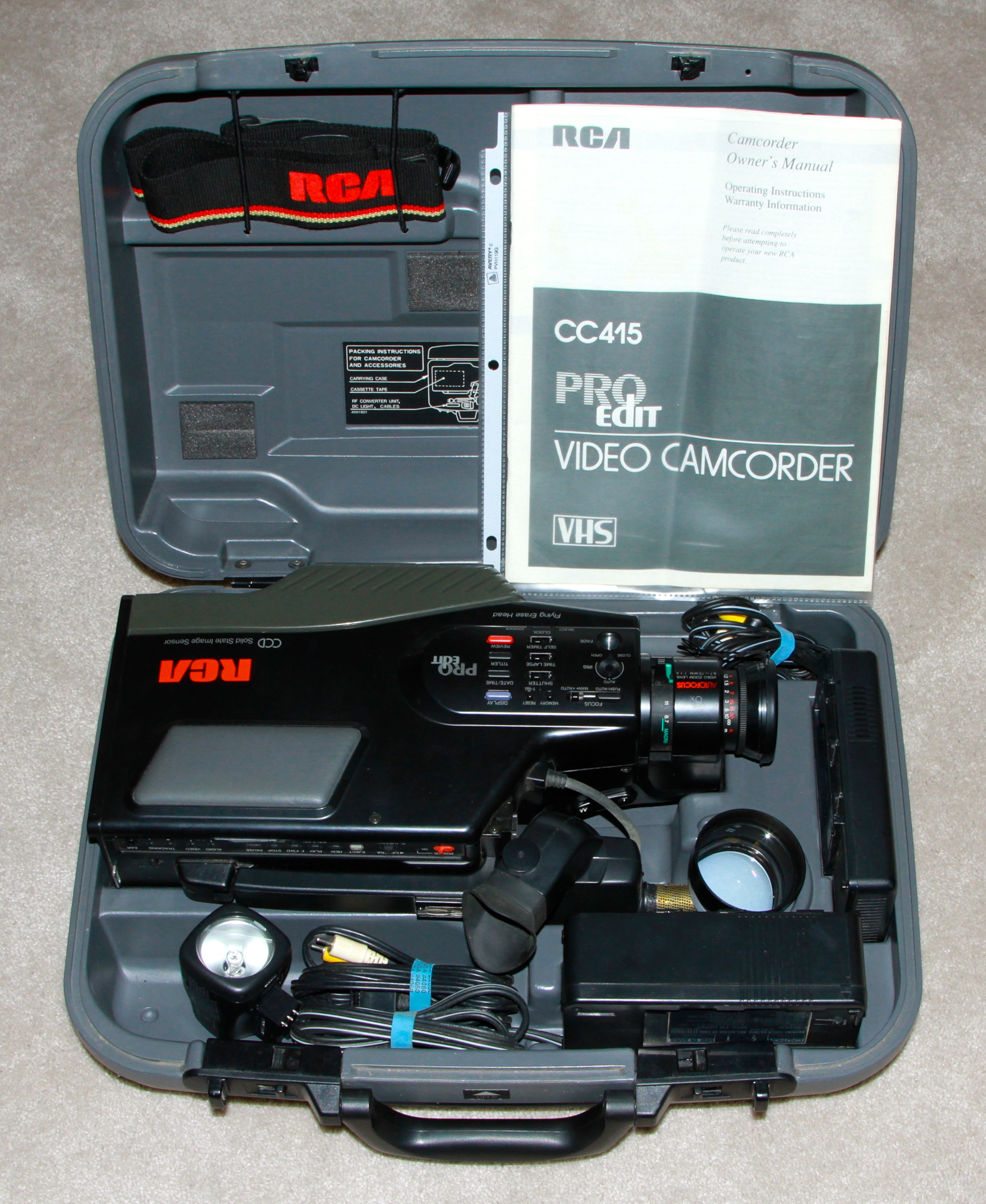
RCA CC415 CAMCORDER - 1990.
This camcorder was donated to the museum and is in near mint condition
despite being fifteen years old at the time of donation. It has
all the items that came with the kit, some of which seem never to have
been used. A number of these '90s camcorders always seem to be
available on eBay, but very few have been maintained in such new-like
condition.
https://www.youtube.com/watch?v=mgQwTTaM06U
https://books.google.com/books?id=DJsbJq2_djkC&pg=RA2-PP1&lpg=RA2-PP1&dq=RCA+%2B+
DQIHb7oDSs4HhDoAXoECBgQAw#v=onepage&q=RCA%20%2B%20%22CC415%22&f=false
https://www.digitalkameramuseum.de/en/prototypes-rarities/item/pcc-pizzaboxcam
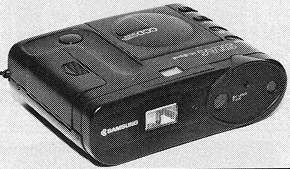
SAMSUNG
SNAC - 1990. The SNAC (Samsung
New
Age
Camera)
was a Hi-band still video camera. Fixed-focus 15mm f/2.8
lens.
300K MOS sensor. 50 images per disk. Popular
Photography,
May
1990, p56. NOT MARKETED.
UNtlVV4Azz&sig=4H0dSl0oc7jD0Ir2icVCpGJ72Xs&hl=en&sa=#v=onepage&q=%22CHINON%20S-2000%22&f=false
https://www.digitalkameramuseum.de/en/esvc/item/samsung-snac-1990
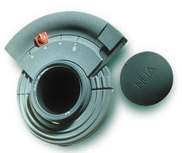
SJSU NUA
356 - 1990.
Still video camera. San Jose State University student
project. Kyle Swen designed the camera with the supervision of
Tomasz Migurski. It was designed as a future concept, not for
manufacture. The premise of the design was to introduce a camera
that stored images electronically rather than the use of standard film.
The images are stored on a 3.5" floppy disk that can then be downloaded
electronically to various formats. Click on image for several
enlarged views. NOT MARKETED.
https://www.cnet.com/tech/computing/crazy-cameras-seven-strange-snappers/
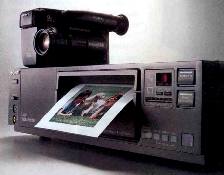
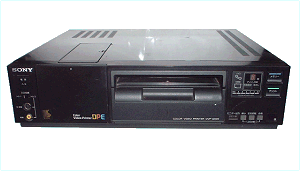
SONY CVP-G500
- 1990/91. Still video image capture device
and printer combined into one unit. Popular Photography,
June 1991, p20.
https://www.instagram.com/p/DDvQhCIstyD/
 SONY
HYPERHAD - 1990. HAD (Hole
Accumulated
Diode ) sensor. A light-focusing microlens (shown at left)
positioned
over each pixel gathers, concentrates and focuses incoming light toward
the photo sensor's active imaging area. Light sensitivity is
increased
by one f/stop. Digital Photography: Pictures of Tomorrow,
John J. Larish, 1992, p23.
SONY
HYPERHAD - 1990. HAD (Hole
Accumulated
Diode ) sensor. A light-focusing microlens (shown at left)
positioned
over each pixel gathers, concentrates and focuses incoming light toward
the photo sensor's active imaging area. Light sensitivity is
increased
by one f/stop. Digital Photography: Pictures of Tomorrow,
John J. Larish, 1992, p23.
https://en.wikipedia.org/wiki/Hole_accumulation_diode
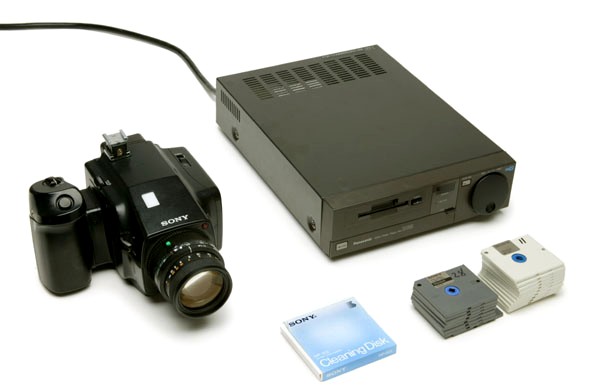
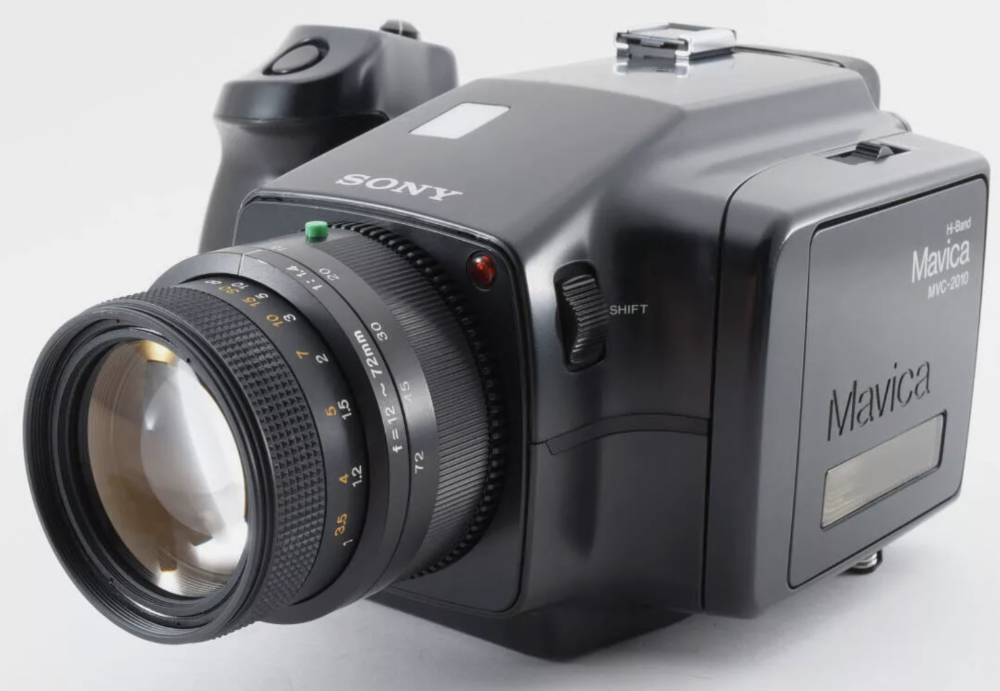
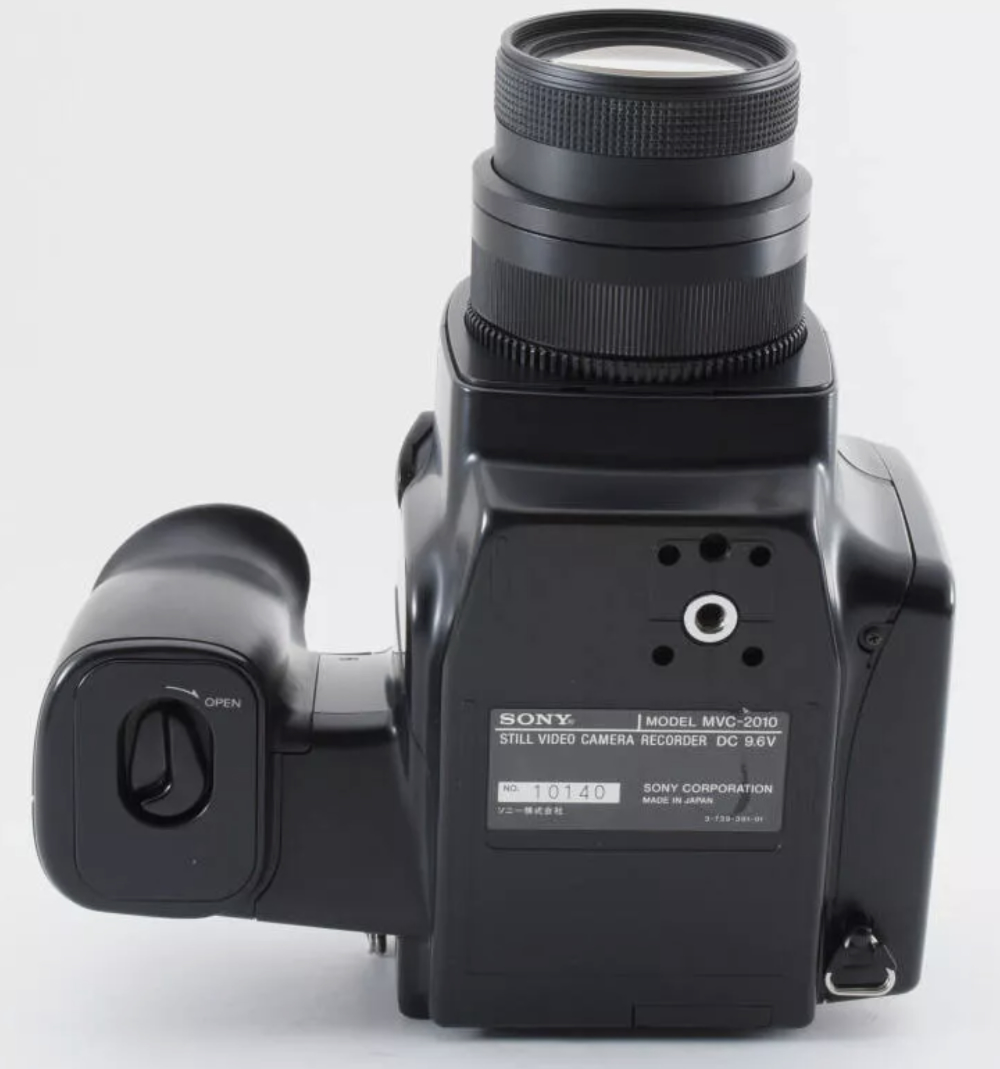
SONY MVC-2010 - 1989/90. Updated version of the MVC-2000 with audio added. It was the successor to the MVC-A7AF and was improved to have high-band specifications. Although the lens specifications were the same, they were not interchangeable. Also, the image sensor size was 2/3 type, but the element was changed from CMOS to CCD. The captured data was recorded on a Hi-VF disc.
http://www.monox.jp/history/digitalcamera-history-01.html
https://en.wikipedia.org/wiki/Sony_Mavica
https://www.digitalkameramuseum.de/en/esvc/item/sony-promavica-mvc-2010
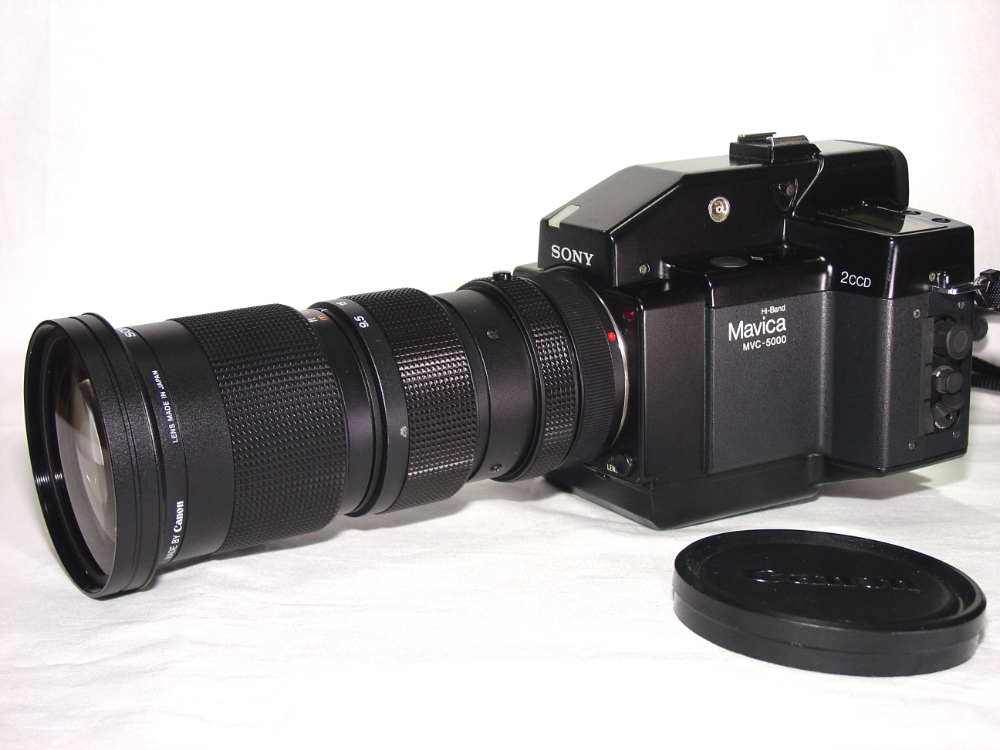
SONY MVC-5000K - 1990. Dennis van Hall (seeURL below) reports on his web site that the K
version appears the same as the original MVC-5000, but has
several less features features thus may have sold as a less expensive
model than the MVC-5000.
https://commons.m.wikimedia.org/wiki/File:SONY_Pro_Mavica_MVC-5000K.jpg
https://www.digitalkameramuseum.de/en/esvc/item/sony-promavica-mvc-5000k
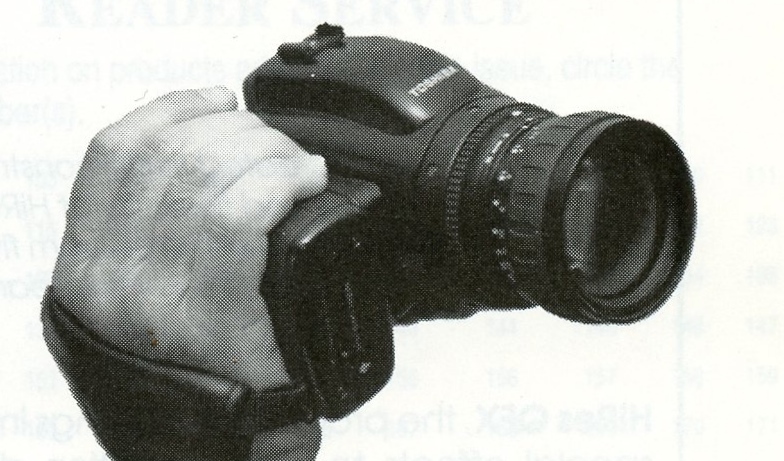
TOSHIBA
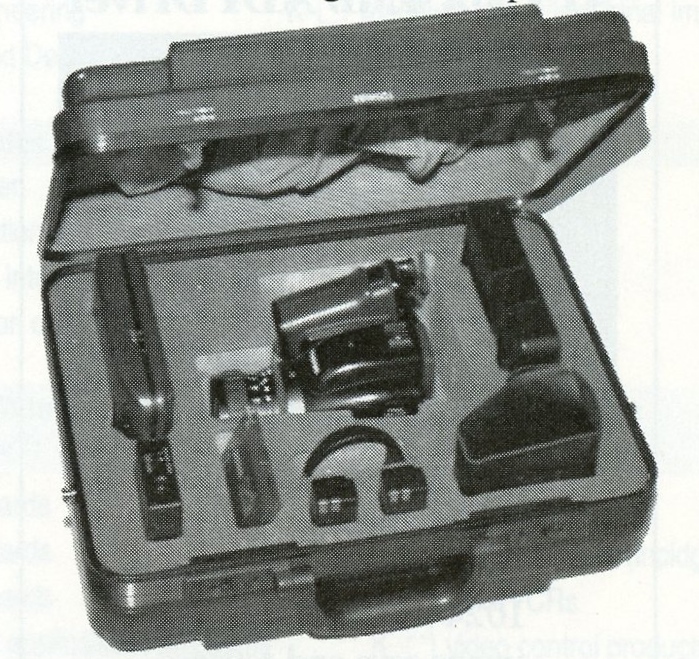
MC200 - 1990. Memory card
camera.
2/3-inch, 400,000 pixel CCD. 18MB card, 6 high resolution images.
3X 9mm to 27mm f/2.0 lens. Shutter 1/32 to 1/512 second.
Built-in
flash, auto-focus. MSRP $12500. Popular Photography,
December 1991, p111. JAPAN ONLY.
https://www.youtube.com/watch?v=pwtJ5wU1Izg&t=261s
https://www.digitalkameramuseum.de/en/cameras/item/toshiba-mc200
YASHICA
/ KYOCERA SAMURAI V-70 - 1990.
Hi-band still video camera. Japan only. 1/2-inch, 390K pixel CCD, 3X
9-27mm
zoom f/1.4 lens, auto-focus through the lens. Popular
Photography,
May
1990, p56. MSRP about $780. In August of 2018 the owner was asking $3,790
for the camera on the right.
http://camera-wiki.org/wiki/Yashica_Samurai_V-70
https://www.digitalkameramuseum.de/en/esvc/item/kyocera-v70
1990